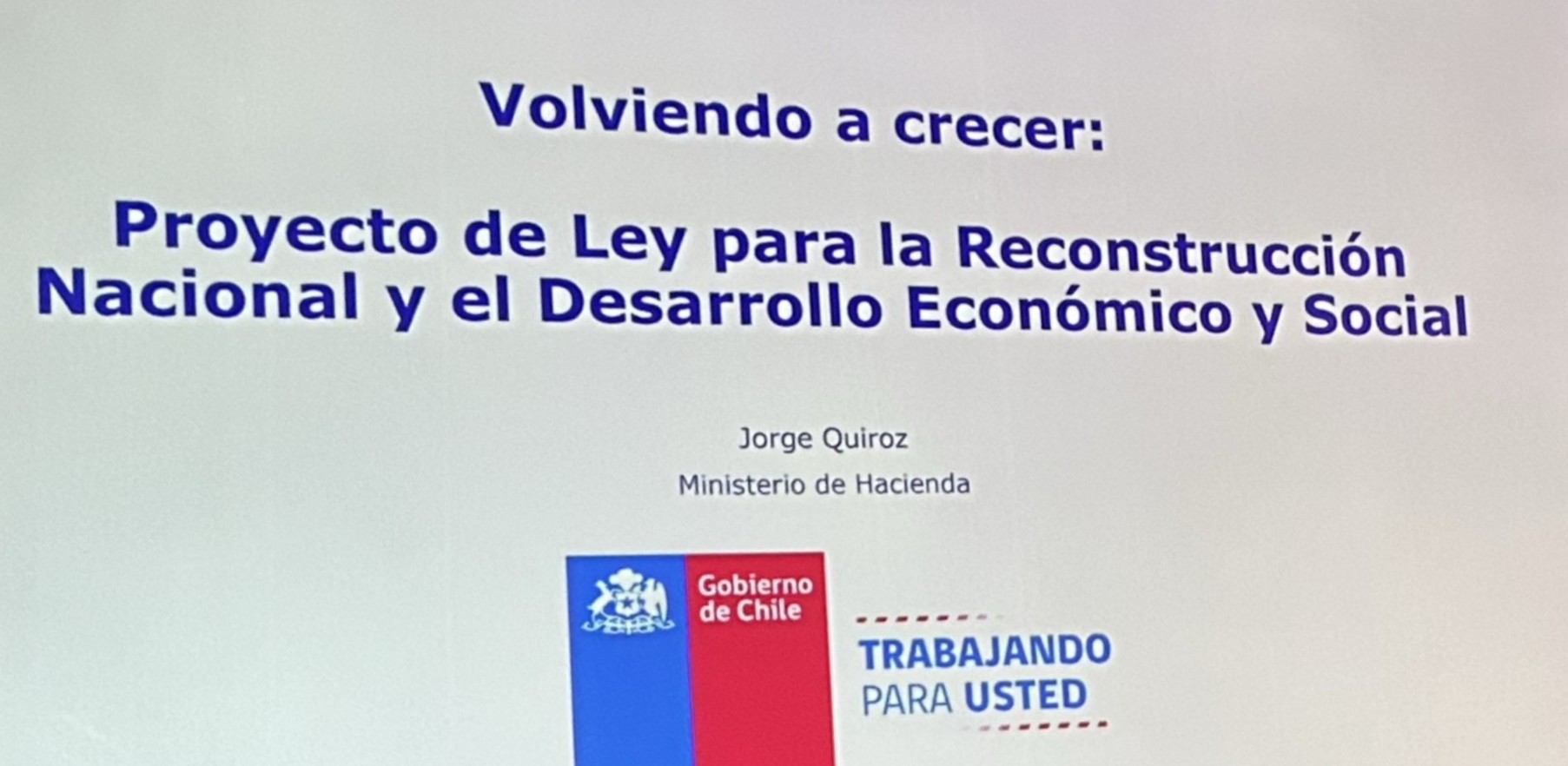
The Chilean Senate approved in principle the National Reconstruction Project —the main economic initiative of President José Antonio Kast’s administration— allowing it to continue its legislative process.
The vote passed by a narrow margin of 26 in favour, 23 against and one abstention, reaching the minimum threshold required. As a result, the bill now moves to detailed discussion in committees, where its provisions will be reviewed article by article.
Economic growth and fiscal sustainability at the center of the debate
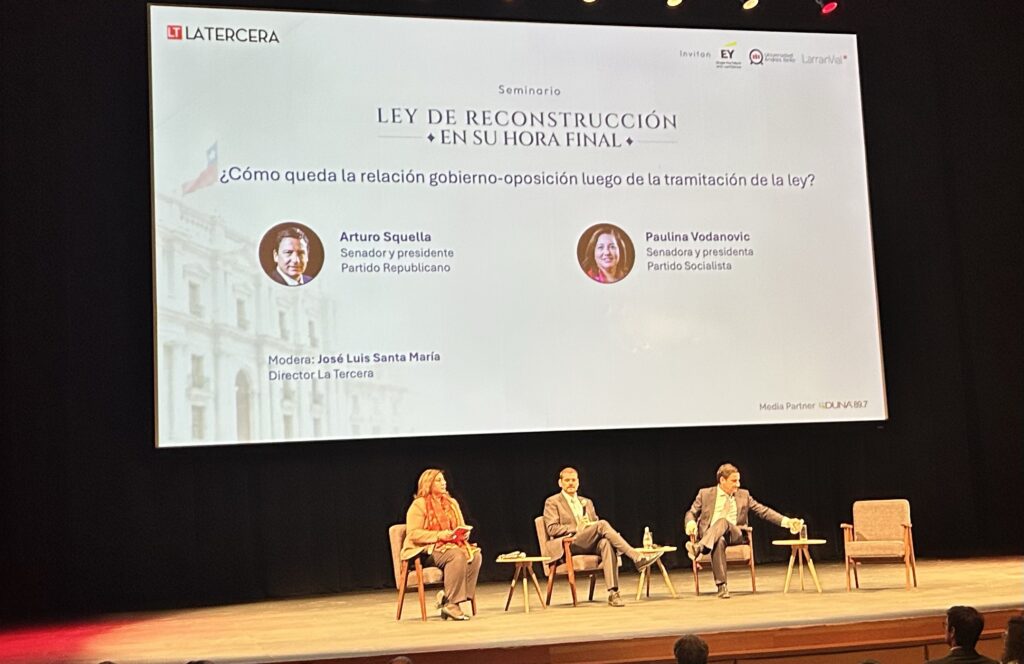
In the lead-up to this vote, the project had already been subject to technical and political discussion in various forums, including the seminar “Reconstruction Law in its Final Stage”, organized by La Tercera.
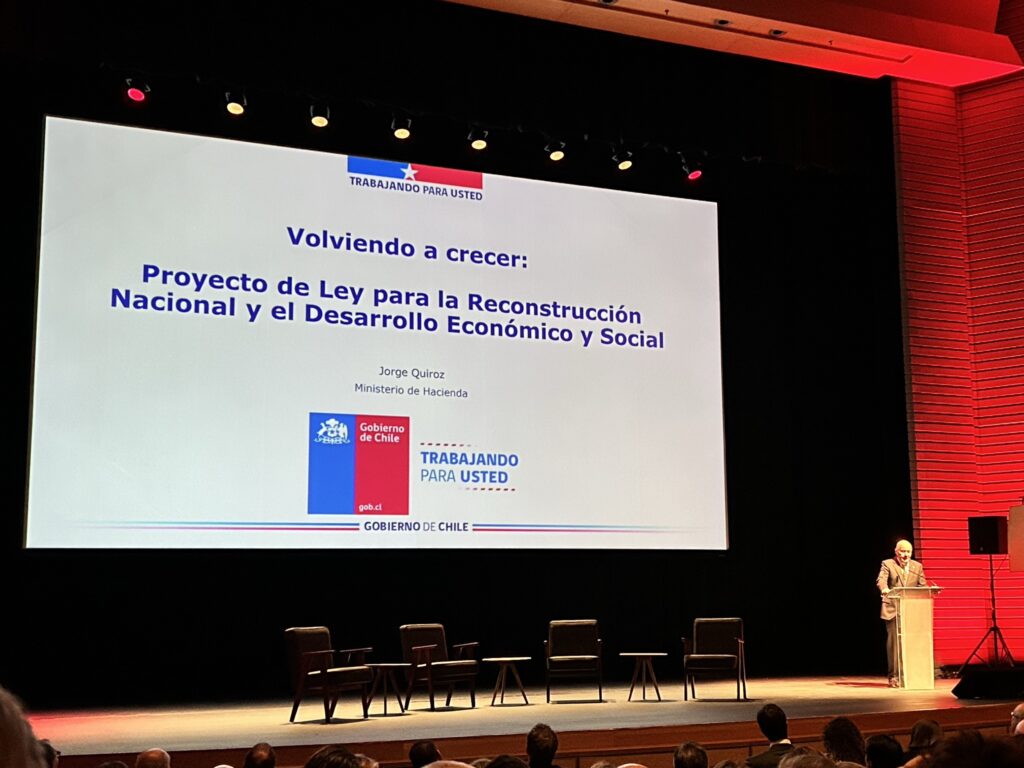
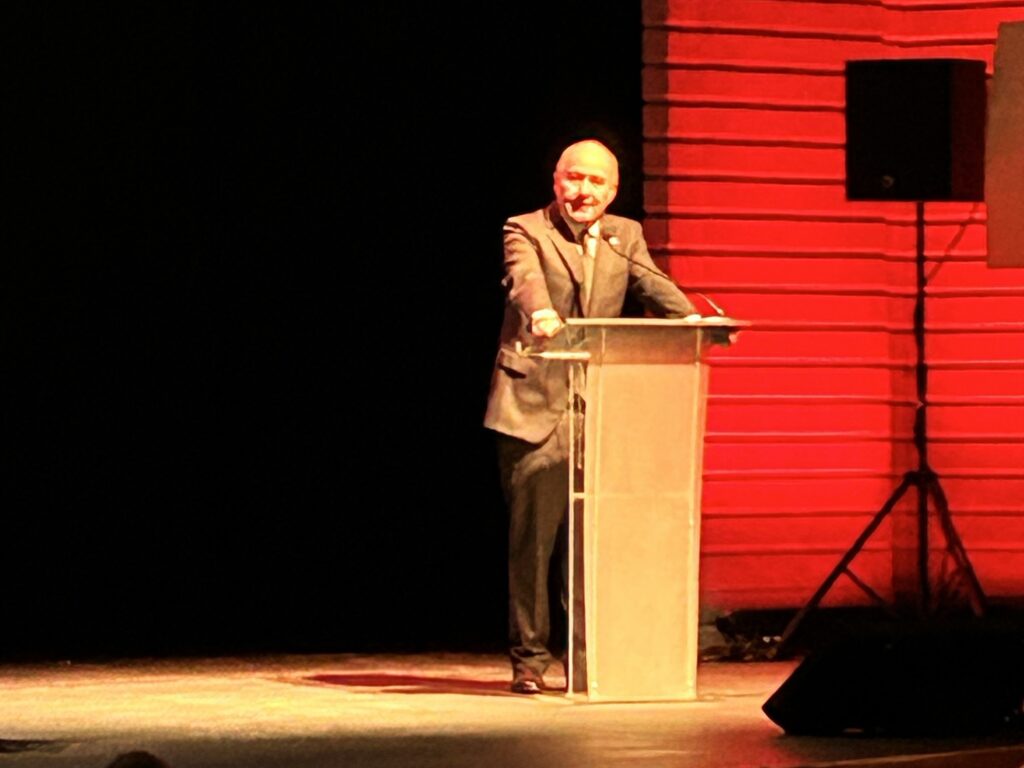
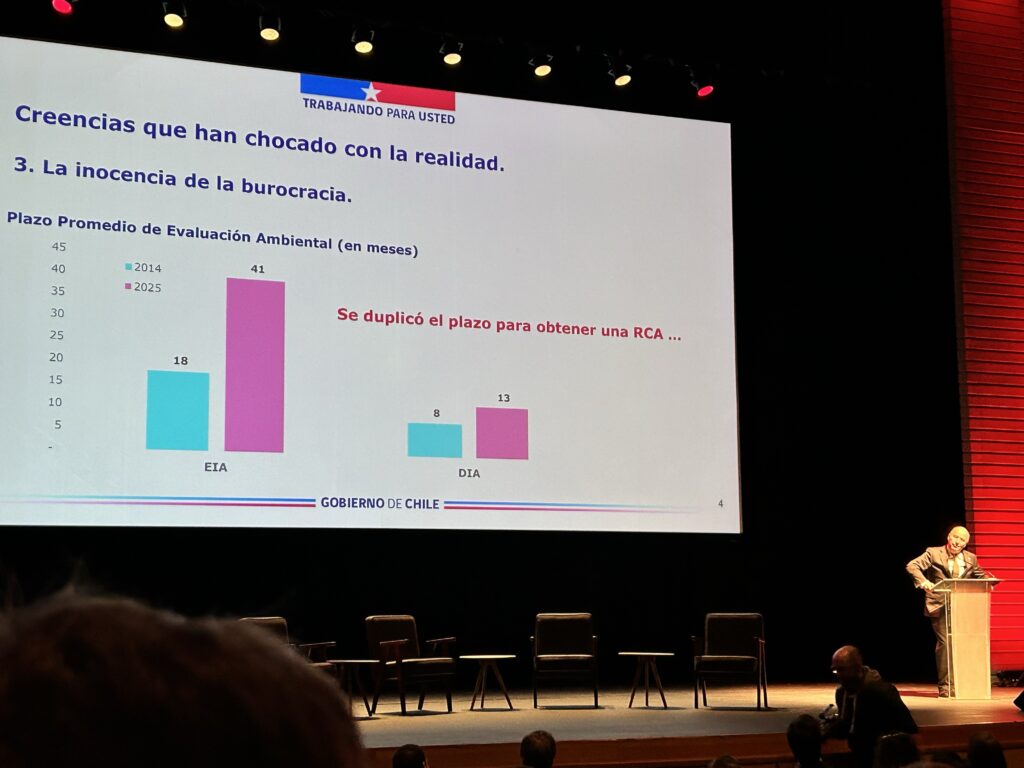
This event —which included the participation of the Minister of Finance Jorge Quiroz, Senator Paulina Vodanovic and Senator Arturo Squella— highlighted a widely shared point: economic growth is a necessary condition for fiscal sustainability, emphasizing that without sustained growth above 3%, structural fiscal challenges will be difficult to address.
The discussion also covered the potential impact of the reform on investment, employment and productivity, as well as the role of the private sector in economic recovery, in a context marked by political tensions and differing views on the design of the initiative.
A strategic reform for economic recovery
The megareform —also referred to as the National Reconstruction Law— constitutes the core of the Government’s economic agenda, with measures aimed at improving investment conditions, boosting the labour market and promoting growth.
Authorities have indicated that the initiative seeks to restore growth and strengthen formal employment, while creating more favourable conditions for economic development.
Narrow approval and open political scenario
The voting outcome reflects a highly competitive political environment, in which the project advanced with the minimum support required from the ruling coalition.
The Executive has described this development as an important milestone, anticipating that amendments may be introduced during the committee stage to broaden political support.
At the same time, opposition sectors have raised concerns about the reform’s distributional impact and the lack of broad consensus during its legislative process.
Implications for the private sector and Chirgwin’s perspective
Progress of the project has been closely followed by the legal and business community, particularly regarding legal certainty, regulatory simplification and investment incentives, all considered key to economic development.
From Chirgwin’s perspective, this debate reinforces the importance of strengthening a pro-investment and infrastructure-driven agenda. In this context, initiatives such as the seminar organized by La Tercera highlight the need to articulate a coherent and sustainable public-private agenda capable of providing stable conditions for long-term investment.
Next steps
Following its approval in general, the project will continue its legislative process in the Senate through committee review, where a technical discussion stage will be key in shaping its final structure.
We share some pictures of the seminar “Ley de reconstrucción en su hora final” promoted by La Tercera.